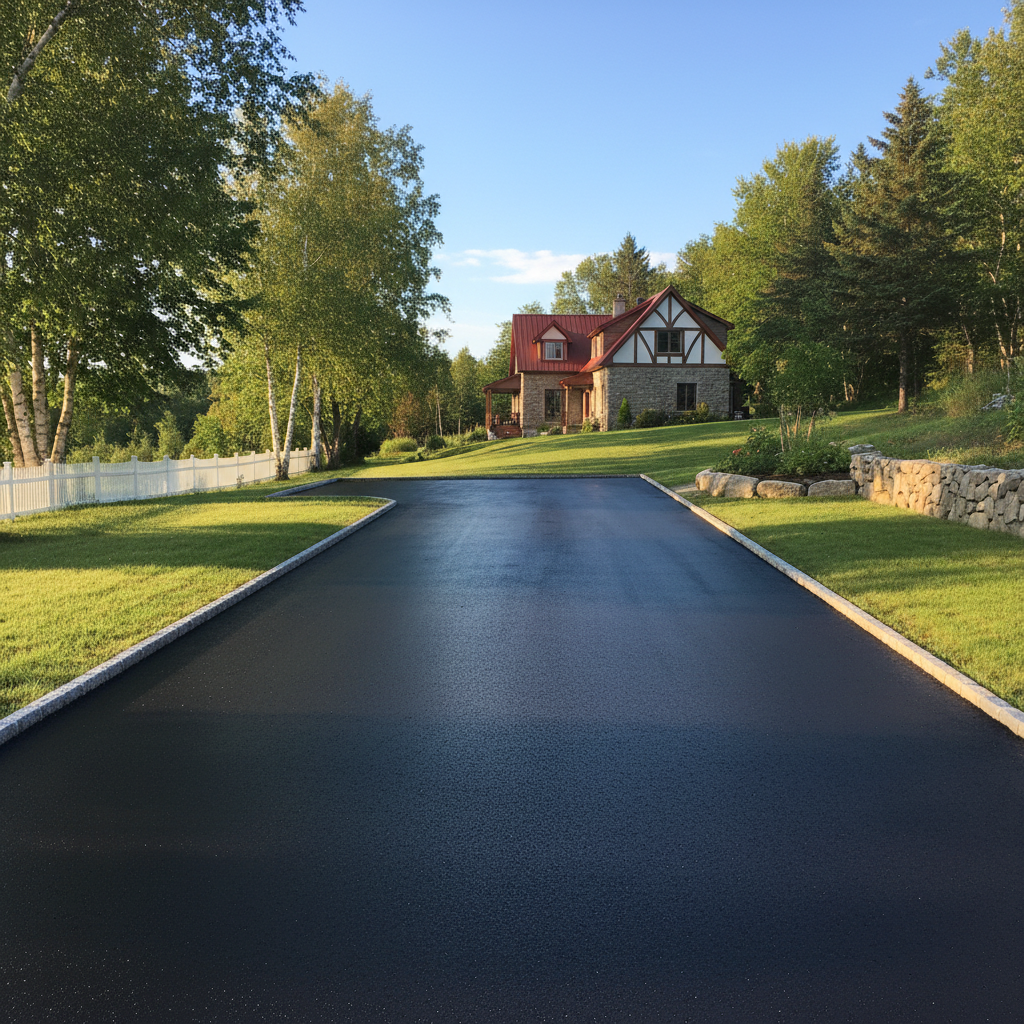
Driveway paving options and costs in Lakeshore Village
Lakeshore Village, Ontario is a great place to invest in a driveway upgrade, especially if you want something that looks sharp and stands up to long winter seasons. With a population of 6,620 (Statistics Canada, 2021 Census), this is a smaller local market, so contractors often plan around a limited number of prime paving dates. Most private driveways here are associated with owner-occupied homes (Statistics Canada, 2021 Census), which typically means homeowners want a clean finish, safe snow-melt access, and a surface that can handle ploughing and salt without constant patchwork.
In the Toronto economic region, pricing is heavily influenced by frost depth and freeze–thaw cycles. Ground freezing of roughly 3–4 feet means the base has to be engineered to resist heaving. That drives up excavation, granular supply, compaction testing, and labour time—especially when the contractor has to correct drainage so water doesn’t sit under the pavement. The paving season is also effectively late spring through early fall, because hot-mix asphalt needs favourable air and base temperatures (above about 10°C for placement). In practice, that shorter window can tighten scheduling and affect quotes—particularly on lots in higher-demand pockets like the lakeside residential areas where access and drainage constraints are common.
Below is a practical cost comparison you can use as a baseline for Lakeshore Village projects. Your final number will depend on driveway size, soil conditions, and whether you’re replacing an old surface or installing over a prepared base.
| Material |
Lifespan |
Maintenance |
Best For |
Price per sq ft |
| Asphalt (new installation, proper base) |
15–25 years |
Seal every 3–5 years; patch as needed |
Best value with strong Toronto freeze–thaw performance (with the right base) |
$5.50–$10.50 |
| Asphalt (overlay on existing gravel base) |
10–18 years |
Seal every 3–5 years; monitor edge settlement |
When the existing gravel/base is sound and drainage is good |
$3.75–$7.75 |
| Interlocking concrete pavers |
25–40 years |
Weed control; re-seat occasional units; re-level if needed |
High curb appeal and modular repairs without full replacement |
$12.00–$20.00 |
| Poured concrete (broom finish) |
20–35 years |
Seal as recommended; spot repair cracks |
Clean, simple, lower maintenance than pavers |
$10.00–$18.00 |
| Exposed aggregate concrete |
20–35 years |
Seal for colour longevity; patch selectively |
Premium look with good skid resistance |
$12.50–$22.00 |
| Gravel / crushed stone (budget option) |
3–8 years (varies) |
Top up annually; re-grade; weed control |
Short-term cost control where aesthetics matter less |
$4.00–$7.00 |
Prices are estimates only and vary by project scope, site access and material selection.
What affects the price of paving in Lakeshore Village
In Lakeshore Village and across the broader Toronto area, two homeowners can receive quotes that differ by 30–50% for a “similar” driveway because the real drivers are mostly underground: excavation volume, base thickness, drainage correction, and how much new material is required once frost protection is designed. In busy Toronto seasons, contractor schedules and crew availability also shift pricing—particularly when projects stack up in late spring and early fall. The result is that labour time, disposal, and equipment access can matter as much as the surface finish itself.
Frost line depth and freeze–thaw cycles are decisive cost factors in this region. With freezing to roughly 3–4 feet, Ontario driveways need a thicker, properly compacted granular base than you’d see in milder climates. Put simply: when water can’t drain away, it expands as it freezes and pushes upward—causing heaving and cracking. Base depth is where many quotes diverge, and contractors will often specify deeper granular thickness and tighter compaction targets in Ontario than in softer subgrade conditions.
Concrete costs can also rise when air-entrainment and jointing strategies are required to handle winter moisture and de-icing. You may see higher pricing on older properties if the driveway ties into existing slabs, curbs, or poorly sloped areas that need reshaping.
As a quick budgeting check, most asphalt driveway installations land in the general band of $3,500–$8,000, while interlocking projects often start near $9,000–$20,000 for typical residential driveway sizes. Where you sit within those ranges usually comes down to base preparation, tear-out, and edge restraints that keep pavers from spreading.
| Price Factor |
Why It Matters |
Cost Impact |
| Driveway area in sq ft |
Most materials and labour scale directly with square footage |
High |
| Base depth required |
Frost protection demands thicker compacted granular layers to prevent heaving |
High |
| Grading and drainage work |
Correct slope and drainage reduces water pooling under asphalt or concrete |
Medium to High |
| Tear-out of existing surface |
Breaking up old asphalt or concrete increases labour and hauling/disposal costs |
Medium to High |
| Edge restraints and curbing |
Limits movement and prevents paver spread during freeze–thaw cycles |
Medium |
| Sealing requirement |
Asphalt performance in winter improves with proper sealing after installation and later maintenance |
Medium |
| Site access |
Narrow driveways or tight turns slow equipment movement and increase labour time |
Low to Medium |
| Asphalt mix specifications |
Freeze–thaw rated mix design and proper binder choices can cost more |
Medium |
Permits & regulations in Ontario
In Ontario, paving a private driveway on your own property typically doesn’t require a building permit if you’re working entirely within your lot and not altering how stormwater is managed beyond your property line. Where permits and approvals do come into play is when work affects the municipal right-of-way. That includes changes such as new or modified curb cuts, alterations to the boulevard, adjusting catch basins or storm drainage connections, and any work that impacts municipal drainage infrastructure. If your driveway ties into municipal curb or requires regrading near the road allowance, you should plan for municipal approval before construction.
Step-by-step, here’s how a Lakeshore Village homeowner can verify compliance and contractor credentials. First, call Ontario One Call to mark underground utilities before any excavation. Second, ask the contractor whether your job includes any right-of-way work; if it does, confirm who will handle the municipal approval process and what timeline it adds. Third, verify the contractor’s Ontario licence status (and/or applicable trade registration where required) and confirm they carry liability insurance and WSIB coverage for their workers. Finally, ask for a certificate of insurance and any clearance documentation—then check that the certificate is current and matches the contractor’s legal business name.
Also ask about lot-grading bylaws: some municipalities restrict how close hard surfaces and drainage alterations can be to property lines. A reputable installer will review drainage routes so freeze–thaw water doesn’t end up trapped under the new driveway.
Asphalt vs pavers vs concrete for Lakeshore Village driveways
For Lakeshore Village driveways, your best material depends on how you want to balance upfront cost, winter durability, and long-term appearance. Asphalt is usually the lowest upfront option, and when it’s installed over a properly engineered granular base, it performs well through Toronto’s freeze–thaw cycles. The trade-off is maintenance: asphalt needs sealing regularly (commonly every 3–5 years) to reduce moisture damage and surface oxidation.
Interlocking concrete pavers typically cost more to install, but they offer excellent curb appeal and the ability to repair specific sections without replacing the entire driveway. That modular advantage matters when minor settlement or localized base issues occur—something that can happen if drainage wasn’t properly corrected before paving. In Toronto’s climate, good edging and restraint are crucial so paver joints don’t open during seasonal movement.
Poured concrete sits in the middle for cost, but it has a different failure pattern than asphalt: cracks can form if the base and drainage aren’t right, or if air-entrainment and jointing are not designed for freeze–thaw. Exposed aggregate concrete adds traction and visual appeal, though it still needs the same underlying engineering discipline.
As a realistic dollar example, if asphalt falls in the $3,500–$8,000 range and interlocking is in the $9,000–$20,000 range, interlocking can be justified when you want a driveway that stays attractive for decades and when you anticipate future repairs rather than one-time replacement. If your main priority is lowest upfront cost and you’re willing to seal on schedule, asphalt is usually the better fit.
| Material |
Frost Resistance |
Curb Appeal |
Repair Method |
Lifespan |
Price Band |
| Asphalt (sealed regularly) |
Good with proper base and drainage |
Attractive and clean, less decorative |
Patch and re-seal localized areas |
15–25 years |
$3,500–$8,000 |
| Interlocking concrete pavers |
Excellent with rigid edging and correct base |
High; wide range of styles and colours |
Remove and re-seat affected units |
25–40 years |
$9,000–$20,000 |
| Poured concrete (air-entrained) |
Moderate to good with joints and drainage |
Simple and tidy |
Crack repair and patch sections |
20–35 years |
$6,000–$15,000 |
| Exposed aggregate concrete |
Moderate to good with joints and freeze-thaw design |
Very high; textured premium look |
Patch colour-matched aggregate as needed |
20–35 years |
$7,000–$18,000 |
| Permeable pavers (drainage grid) |
Good when base and underdrain are engineered |
High; modern look |
Remove sections; clean and maintain infiltration system |
20–35 years (varies by maintenance) |
$10,000–$22,000 |
| Chip seal / tar-and-chip |
Variable; depends on build-up and maintenance |
Functional, not decorative |
Refresh surface with re-chip |
5–12 years |
$3,000–$6,500 |
How to choose a paving contractor in Lakeshore Village
Choosing the right contractor matters in Ontario because the climate punishes shortcuts. Start by verifying the contractor’s Ontario licensing/registration status (where applicable), and confirm they carry both liability insurance and WSIB/WCB coverage for their workers. Ask for a current certificate of insurance and clearance documentation, and make sure the coverage is active for the exact job dates. If they can’t provide these documents up front, that’s a red flag.
Next, get 2–3 itemised written quotes—not just a lump sum. A proper quote should separate excavation, granular base (including thickness and compaction approach), fabric/geotextile if used, asphalt or concrete supply, placement, and any drainage/levelling work. Also confirm what’s included and excluded: is disposal included for removed asphalt or concrete? Is a permit required and included where the job affects the municipal right-of-way? Ask whether interlocking quotes include edge restraints and what restraint type is proposed.
Review warranty carefully. You want a clear workmanship warranty length, and you should understand the difference between workmanship and manufacturer material warranty. Ask whether the warranty is transferable if you sell your home. For payment, don’t pay more than 10–15% upfront; hold back a meaningful portion until the driveway is completed and cleaned.
Finally, insist on a written timeline: start date, key milestones (base prep, paving/placement, curing), and an estimated completion date that accounts for weather delays common to the Toronto area.
- Request itemised labour + materials, not a single total.
- Ask for base thickness and drainage plan in writing.
- Confirm utility locate call (and who coordinates it).
- Verify liability insurance certificate is current and matches the contractor name.
- Confirm WSIB/WCB coverage for workers (request clearance where applicable).
- Check workmanship warranty length and what it covers (materials vs labour).
- Ask whether the warranty is transferable to a new owner.
- Verify asphalt sealing expectations (date window and product type).
- Clarify concrete air-entrainment and jointing/control joint plan.
- Confirm interlocking includes proper edge restraints and compaction steps.
- Review disposal/hauling inclusion for tear-out debris.
- Agree on a payment schedule with a holdback until cleanup and final grade checks.
Red flags in Lakeshore Village: promises of “cheap base” without thickness details, refusal to show insurance/WSIB documents, vague warranty wording, quotes that don’t include drainage corrections or disposal, and pressure to pay a large deposit before any site prep begins.
Frequently asked questions — paving in Lakeshore Village
How much does driveway crack repair cost in Lakeshore Village?
In Ontario, the cost to repair cracks depends on whether you have active movement (bigger issue) or just surface cracking. For typical asphalt crack sealing, many homeowners budget around $300–$1,500 total depending on driveway length, crack width, and whether prep/cleaning is included. If the crack has edge failure or soft subgrade underneath, a simple seal won’t solve it—expect a partial patch (often priced higher) because crews may need to cut, remove loose material, and re-compact. In Lakeshore Village’s freeze–thaw climate, repairs that focus only on the surface usually last less than fixes that address drainage or base settlement. A good contractor will confirm whether the crack is stabilised and recommend the right repair type before sealing.
What base thickness do I need for pavers in Lakeshore Village?
For pavers in Lakeshore Village, base thickness is driven by Toronto’s frost depth and freeze–thaw cycles (ground freezing roughly 3–4 feet in the region). As a practical range, many residential driveway builds in Ontario use a compacted granular base thickness commonly around 6–12 inches total under pavers, depending on soil strength, subgrade stability, and drainage. Where subgrade is soft or water drains poorly, contractors often increase base thickness and add proper granular layers and compaction steps rather than trying to “fix it later.” The right approach also includes slope and drainage so water can’t sit under the system. If a quote doesn’t specify base thickness, compaction approach, and edging restraints, it’s hard to compare apples to apples.
How do I get the most accurate paving quote in Lakeshore Village?
To get an accurate quote in Lakeshore Village, start by sharing measurements (approximate driveway width and length) and photos of the current surface plus any drainage issues. Then schedule an on-site visit so the contractor can evaluate subgrade conditions and existing slopes. Ask for an itemised written quote that separates excavation, base thickness, drainage/levelling, material supply, and disposal. For asphalt, confirm that the mix design will meet freeze–thaw requirements and that they plan for sealing within the recommended window after installation. For pavers and concrete, ask how edging restraints, control joints (for concrete), and compaction will be handled. Finally, verify they provide liability insurance and WSIB/WCB coverage and explain what’s included versus excluded (permits, right-of-way work, and cleanup).
How much does it cost to pave a driveway in Lakeshore Village?
Costs vary mainly with driveway size, tear-out, and how much base/drainage work is needed to manage Toronto’s freeze–thaw cycles. As a baseline for Lakeshore Village homeowners, asphalt driveways typically fall in the $3,500–$8,000 range, with higher pricing where there’s significant excavation, poor drainage correction, or a complex access situation. Interlocking concrete pavers often land in the $9,000–$20,000 range due to increased labour, restraints, and the modular base system. Concrete commonly sits around $6,000–$15,000 depending on finish and jointing needs. If you tell a contractor you want a like-for-like replacement, still expect some variation because frost-related base design and drainage correction can add material and labour even when the driveway size looks the same.
Asphalt vs interlocking pavers vs concrete — which is best in Lakeshore Village?
There isn’t one “best” material, but in Lakeshore Village’s Ontario winters, your climate performance comes down to base engineering and drainage—not just the surface. Asphalt is usually the best value if you want the lowest upfront cost and you’re willing to seal every 3–5 years; installed over a proper base, it performs well through freeze–thaw. Interlocking pavers are often the best choice if curb appeal and repairability matter most—because you can lift and re-seat only affected sections instead of replacing the entire driveway. Poured concrete is a strong option for a clean, simple look, but it must be air-entrained and properly jointed to reduce cracking under freeze–thaw and salt exposure. If your current driveway has drainage problems, the quote should address grading and water routing first—otherwise, any surface can suffer.
How long does a paved driveway last in Lakeshore Village?
With correct base preparation and drainage, typical lifespans in the Toronto area look like this: asphalt often lasts about 15–25 years, interlocking pavers commonly 25–40 years, and concrete usually 20–35 years. Asphalt’s longevity depends heavily on maintenance; without sealing, winter moisture and oxidation can accelerate wear, shortening life. Pavers hold up well in freeze–thaw when edging restraints are installed and the base is properly compacted—then repairs are localized if movement ever occurs. Concrete performance depends on air-entrainment, correct control joints, and how water is managed around the slab. Your home’s conditions matter too—older properties with drainage mismatch or poor slope can reduce lifespan across materials. A contractor should explain what base and drainage steps they’re taking so you can expect service-life results consistent with Ontario’s climate realities.