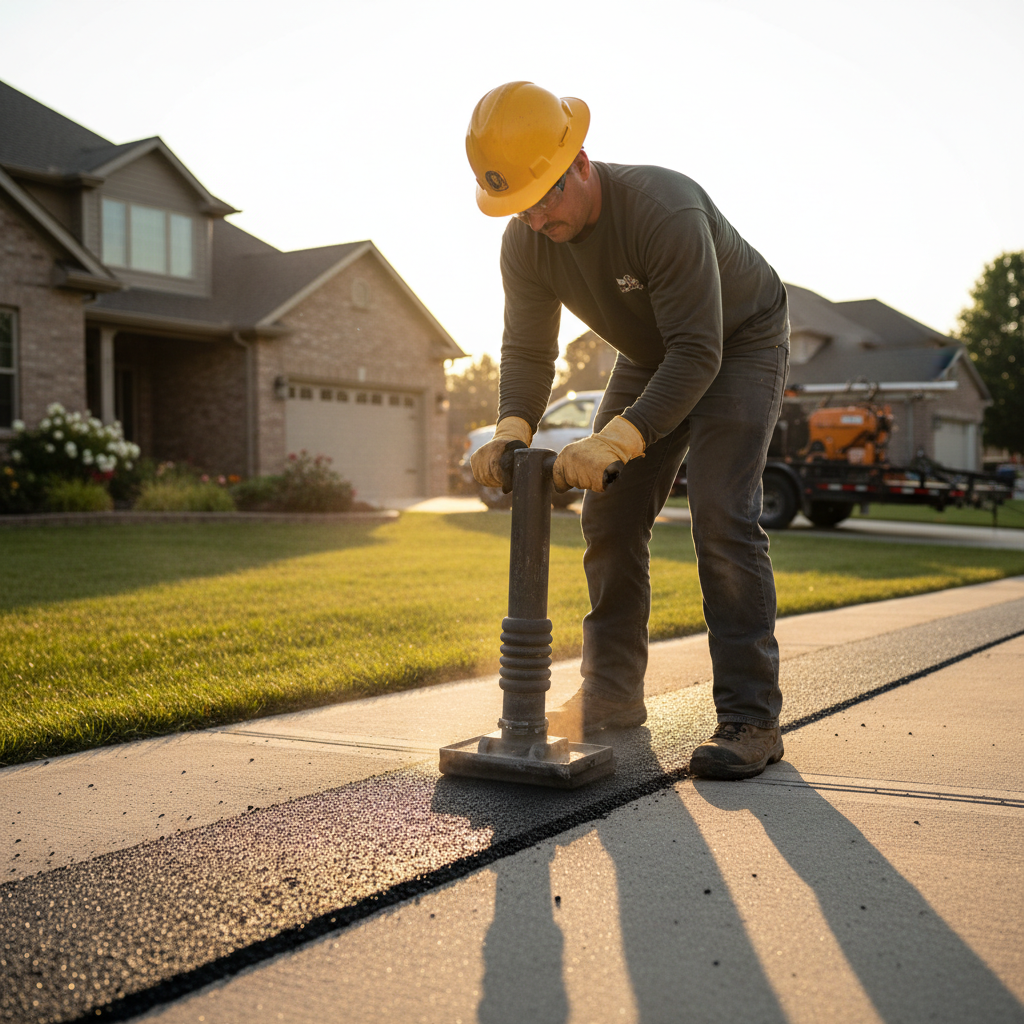
Driveway paving options and costs in Peterborough
In Peterborough, driveway paving choices usually start with the same question: what will hold up through our winter? With a population of 83,651 and a large portion of homes being single-detached (57.2% of dwellings), most local driveways are tied to detached-house lots where you’re expected to handle snow storage, vehicle turns, and spring runoff. That market reality matters for pricing, because contractors in Peterborough’s south and north areas tend to schedule projects around frost protection needs, haul distances for aggregate, and the limited late-spring to early-fall paving window.
In the Muskoka–Kawarthas region, frost depth and aggressive freeze–thaw cycles are the cost drivers. Local geotechnical practice commonly assumes about 1.2 m of frost penetration, so bases are typically built thick—often 12+ inches of compacted granular for residential driveways—plus proper drainage slopes and edge containment. If drainage isn’t addressed, water trapped in the base can lead to heaving and cracking, which shortens asphalt and concrete service life.
Demand is especially steady around north Peterborough and growth pockets like Trent Hills Road and the newer subdivisions off Aylmer Street—areas where many homes were built before 1981 (63.7%), meaning existing driveways are often undersized in base thickness and need more than just a resurfacing. Use the table below to compare typical material options and budget ranges, then we can narrow it down based on your driveway size, access, and whether we’re building new or overlaying.
| Material |
Lifespan |
Maintenance |
Best For |
Price per sq ft |
Price Range |
| Asphalt (new installation, proper base) |
15–25 years |
Seal every 3–5 years |
Best overall value with good curb control |
$6.50–$12.00 |
$4,500–$9,000 |
| Asphalt (overlay on existing gravel base) |
10–18 years |
Seal every 2–4 years |
When you have decent base and minimal rebuild |
$5.50–$10.50 |
$4,000–$8,200 |
| Interlocking concrete pavers |
25+ years |
Occasional panel-level re-setting |
Repairable surface and premium appearance |
$10.00–$18.00 |
$7,000–$15,000 |
| Poured concrete (broom finish) |
20–30 years |
Limited sealing; repairs as needed |
Low-maintenance, clean look |
$9.00–$16.50 |
$8,000–$16,000 |
| Exposed aggregate concrete |
25–35 years |
Seal periodically; patching when needed |
Textured traction in winter slush |
$12.00–$22.00 |
$9,500–$18,500 |
| Gravel / crushed stone (budget option) |
5–10 years (depends on drainage) |
Regrade and top up yearly |
Temporary solution or very tight budgets |
$2.25–$4.50 |
$2,500–$5,500 |
Prices are estimates only and vary by project scope, site access and material selection.
What affects the price of paving in Peterborough
In Peterborough and across Muskoka–Kawarthas, it’s common to see quotes for the same driveway range by 30–50%. The sticker shock usually isn’t the surface material—it’s what’s required underneath. Contractors can price very differently depending on subgrade condition, the depth of compacted granular base needed for our freeze–thaw intensity, drainage corrections, and how much tear-out and disposal is required.
Frost line depth and freeze–thaw cycles are decisive. In Central Ontario practice, deeper frost typically means a thicker compacted base. You’ll often hear “12+ inches” for residential pavements when protection below frost influence is needed, especially where water doesn’t drain naturally. This isn’t the same as milder regions where thinner bases can survive longer. In our climate, asphalt and concrete also need mix or construction that’s appropriate for freeze-thaw; otherwise, you can get early rutting (asphalt) or cracking and joint failure (concrete).
Seasonality also tightens scheduling. Asphalt work generally needs sustained warm conditions (hot-mix asphalt typically requires air temperatures above 10°C), so the available production windows are shorter in colder regions. That concentrated demand can nudge labour and equipment rates upward.
Concrete examples: a driveway on a well-draining, compact soil subgrade may pour with less base rebuild, while one over soft, saturated areas can require additional granular and underdrain work before concrete is even considered. For budgets, you’ll usually see asphalt install ranges align with local bands (about $4,500 – $9,000), while pavers often land in the premium bracket (about $7,000 – $15,000) once proper containment and base are included. Housing age plays in too—many Peterborough homes predate modern frost-protection standards (63.7% built before 1981), so existing driveways frequently need deeper rebuilding rather than a simple skim.
| Price Factor |
Why It Matters |
Cost Impact |
| Driveway area in sq ft |
Most material and labour scale directly with surface size |
High (often the biggest variable) |
| Base depth required |
Frost protection drives granular thickness and compaction |
High (can change totals by thousands) |
| Grading and drainage work |
Slopes, swales, and underdrains keep water out of the structure |
Medium to High |
| Tear-out of existing surface |
Hauling, breaking, and disposal add labour and equipment time |
Medium to High |
| Edge restraints and curbing |
Pavers need containment; asphalt needs clean edge structure |
Medium |
| Sealing requirement |
Asphalt benefits from sealing after placement and over time |
Low to Medium (and time-based) |
| Site access |
Narrow lots slow equipment and increase manual handling |
Medium |
| Asphalt mix specifications |
Freeze-thaw rated mixes cost more but improve longevity |
Low to Medium (material uplift) |
Permits & regulations in Ontario
For Ontario homeowners in Peterborough, most driveway paving on private property generally does not require a building permit. If you’re working wholly within your own lot—such as replacing the existing asphalt, pavers, or concrete driveway surface and base—contractors typically proceed under standard municipal property rules and construction best practices.
Permits or municipal approvals are commonly needed when you alter the interface with municipal property. For example, the work that usually does require approval includes changing or adding a curb cut/driveway access point in the municipal right-of-way, altering boulevard areas, or making changes to storm drainage tied into municipal infrastructure (like catch basins or ditch regrading that affects municipal drainage patterns). Also, some municipalities enforce lot-grading rules that restrict how close and how the hard surface can be built to property lines, particularly if runoff could affect neighbours.
Before any excavation, step one is utility locates. In Ontario you should call Ontario One Call so buried services are marked before equipment digs. Step two: verify your contractor’s status and coverage. Ask for their current Ontario licensing information (where applicable), a certificate of liability insurance showing they’re insured for the work, and WSIB coverage (or the applicable clearance/registration documentation). Finally, confirm the scope in writing—whether disposal, grading adjustments, and any required municipal coordination are included.
Asphalt vs pavers vs concrete for Peterborough driveways
For Peterborough’s freeze–thaw climate, all three options can work—but they behave differently over time and in winter maintenance routines. Asphalt typically has the lowest upfront cost and a smooth ride, but it relies on sealing for weather protection. In our area, most asphalt driveways are scheduled for sealing every 3–5 years, which aligns with better longevity and reduced surface oxidation. The key is building the right thick granular base and ensuring drainage so water doesn’t sit and expand during freeze–thaw.
Interlocking concrete pavers cost more up front, but they’re the most forgiving when something goes wrong. If a utility line is repaired later or a localized settlement occurs, pavers can be lifted and reset without replacing the whole driveway. With proper edge containment and polymeric sand settings, they also handle plough and sand/salt traffic well. Poured concrete is often a mid-range choice, with a clean, durable finish; however, concrete is more sensitive to cracking if joints and air-entrainment aren’t correct for freeze–thaw and if de-icing salt plus moisture accelerates surface wear.
Base preparation matters for every material. Given frost influence around 1.2 m in local practice, you should expect thicker compacted granular layers and careful subgrade preparation, plus a stable slope and drainage. Where snowbanks pile near the driveway edge, restraints are critical; where water runs toward the driveway, drainage becomes non-negotiable.
For a concrete example: if you’re comparing asphalt in the local range of $4,500 – $9,000 versus pavers around $7,000 – $15,000, the added cost can be justified on long driveways with multiple vehicle turns—because pavers can be spot-repaired and retain curb appeal year after year. If you’re staying budget-focused and can maintain sealing, asphalt is often the smartest first move.
| Material |
Frost Resistance |
Curb Appeal |
Repair Method |
Lifespan |
Price Band |
| Asphalt (sealed regularly) |
Good with thick granular base and drainage |
Medium (clean, consistent finish) |
Mill/overlay or patch-and-tack localized areas |
15–25 years |
$4,500 – $9,000 |
| Interlocking concrete pavers |
Excellent when base is engineered and edges contained |
High (premium look and colour options) |
Lift/reset or re-lay affected sections |
25+ years |
$7,000 – $15,000 |
| Poured concrete (air-entrained) |
Good with proper air-entrainment and joints |
Medium to High (broom or finish options) |
Crack repair/patching; larger issues may need sections removed |
20–30 years |
$8,000 – $16,000 |
| Exposed aggregate concrete |
Very good with correct mix and curing |
High (textured traction and custom look) |
Patch systems matched to finish; localized repairs possible |
25–35 years |
$9,500 – $18,500 |
| Permeable pavers (drainage grid) |
Very good where drainage design is properly detailed |
Medium to High (modern, eco-focused) |
Reset paver units; maintain infill surface and underdrain |
20–30 years (system dependent) |
$8,500 – $17,000 |
| Chip seal / tar-and-chip |
Moderate; can ravel without good base prep |
Lower (functional look) |
Spot chip/top-up and eventual re-spray |
7–12 years |
$3,500 – $7,500 |
How to choose a paving contractor in Peterborough
Choosing the right contractor in Peterborough is mostly about verifying coverage and matching the scope to our freeze–thaw reality. Start with Ontario licensing (where applicable for the work they perform) and liability insurance: ask for a current certificate of insurance showing adequate coverage for driveway construction and that they’re naming you as an additional insured if your contract requires it. Next, confirm WSIB/WCB coverage. In Ontario, request proof they have WSIB clearance or appropriate registration for the relevant coverage; a reputable paving company will readily provide documentation before you sign.
When you request quotes, aim for 2–3 itemised estimates—not lump sums. You want line items for excavation, hauling/disposal, granular base thickness and compaction, geotextile (if required), drainage/grade corrections, edge restraints, and the specific paving material. Ask whether a permit/municipal approval is included if your work touches the right-of-way or drainage patterns.
Warranty is another big differentiator. Confirm the workmanship warranty length, what it covers (for example, surface defects tied to compaction or base failures), and whether the warranty is transferable if you sell your home. Payment schedules should protect you: never pay more than 10–15% upfront. Hold back a portion until the job is complete and cleaned up. Finally, get the start date and completion timeline in writing, including weather contingencies.
- Ask for itemised labour + materials breakdown (no “one price” only).
- Confirm granular base depth and compaction standard (especially for freeze–thaw).
- Ask how drainage slopes will be built and checked.
- Verify utility locates are completed before excavation.
- Request disposal/hauling costs listed separately.
- Confirm edge restraints for pavers or asphalt containment details.
- Ask if geotextile is included and when it’s used.
- Get the sealing plan for asphalt (timing after placement).
- Confirm jointing plan for concrete and air-entrainment approach.
- Review warranty terms in plain language (workmanship vs product).
- Check insurance certificate validity dates before work begins.
- Use a payment schedule with a holdback until final inspection.
Red flags we see in Peterborough include contractors who won’t show insurance/WSIB clearance, quotes that ignore base thickness and drainage, “too good to be true” pricing that leaves out tear-out/disposal, vague warranty language (or no written warranty), and pressure to pay a large deposit before any measurements or locates are completed.
Frequently asked questions — paving in Peterborough
How do I maintain my driveway through Peterborough winters?
In Peterborough and across Muskoka–Kawarthas, maintenance is less about “preventing winter” and more about managing water and surface damage. Start with snow removal habits: plough straight and avoid metal scraping that tears asphalt edges or dislodges paver joints. Use sand for traction when possible and limit salt to what’s necessary, since repeated brine exposure can accelerate surface wear on both asphalt and concrete. After thaw cycles, clear slush and keep runoff moving away from the driveway so water doesn’t pool in low spots. For asphalt, plan sealing every few years (often 3–5 years) to protect against oxidation. If you notice small cracks, get them sealed early so freeze–thaw can’t turn them into deeper failures.
Is it worth sealing a new driveway right away in Peterborough?
Usually, sealing a new asphalt driveway right away isn’t recommended. Most reputable crews wait until the asphalt has cured properly and is ready to accept the seal coat—commonly after the initial set period—so you don’t trap moisture. In Peterborough, moisture and freeze–thaw cycles are hard on unprotected surfaces; that’s why a good seal plan matters, but timing is the key. Your contractor should explain when sealing will occur based on temperature, weather forecast, and the asphalt mix. If your quote is in the local asphalt range of $4,500 – $9,000, ask whether sealing is included and what product is being used, because the difference between “included later” and “not addressed” affects long-term cost. If you want, I can help you compare the wording in the contract.
What is a chip seal driveway and is it suited to Peterborough?
Chip seal (tar-and-chip) is a surface treatment where a binder is sprayed and stone is broadcast to form a textured, asphalt-like wearing surface. It can be a budget-friendly option, but it’s more sensitive to base prep and water drainage than many homeowners expect—if the base isn’t tight and sloped correctly, stones can loosen during freeze–thaw. In Peterborough’s conditions, chip seal can work well for low-traffic rural-style lanes or shorter driveways where you can accept more frequent maintenance. Compared with standard asphalt in the region (often $4,500 – $9,000) chip seal typically costs less upfront, but plan for periodic top-ups. If your driveway sees lots of turning and winter sand/salt, ask contractors to demonstrate how they’ll build and compact the base and how they manage edge containment to reduce raveling.
How much does driveway crack repair cost in Peterborough?
Crack repair pricing varies with crack width, length, and whether it’s just surface sealing or requires partial patching to correct minor base issues. In Peterborough, small isolated repairs (surface cleaning, crack sealing, and patch material for a limited area) often land in the $400 – $2,000 range, depending on access and how many locations need attention. If the cracks are widespread or accompanied by settlement, the fix can become a larger patch or localized rebuild—at that point, the cost approaches a small paving section rather than simple sealing. A good contractor will inspect the cause first: clogged drainage, poor slope, or base water are common contributors in freeze–thaw regions. Ask for pictures, and ask whether the quote includes cleaning/prep before sealant is applied.
What base thickness do I need for pavers in Peterborough?
For Peterborough’s frost influence and freeze–thaw cycling, paver base thickness depends on subgrade condition and drainage, but you should expect more than a thin “decorative layer.” In practical Central Ontario residential builds, engineered protection often uses a thick compacted granular base with proper geotextile and edge restraints, commonly reaching 12+ inches of compacted granular when frost protection is required and the site is prone to water issues. If your subgrade is soft or you have recurring pooling, the base requirements increase and drainage corrections may be needed. Don’t let a quote focus only on the paver surface—ask the contractor to specify granular types, compaction steps, and the total base depth. When pavers are built right, you get a repairable driveway that can handle winter loads and plough patterns without premature heaving.
How do I get the most accurate paving quote in Peterborough?
To get an accurate quote in Peterborough, treat it like a scope check, not just a price hunt. Provide the contractor with your driveway dimensions (approximate sq ft), confirm whether there’s existing asphalt/concrete to tear out, and share details on drainage—does water pond after rain or melting snow? Ask for 2–3 itemised quotes that separate excavation, haul/disposal, base depth and compaction, drainage/grading work, edging, and the paving material. In this region, frost protection and freeze–thaw performance are what drive cost variability, so insist the quote explains base and drainage design. Also verify the contractor: request their liability insurance certificate and WSIB coverage proof, and check their written workmanship warranty. For asphalt budgets, confirm whether you’re truly in the $4,500 – $9,000 band or if added base/drainage pushes the project higher.