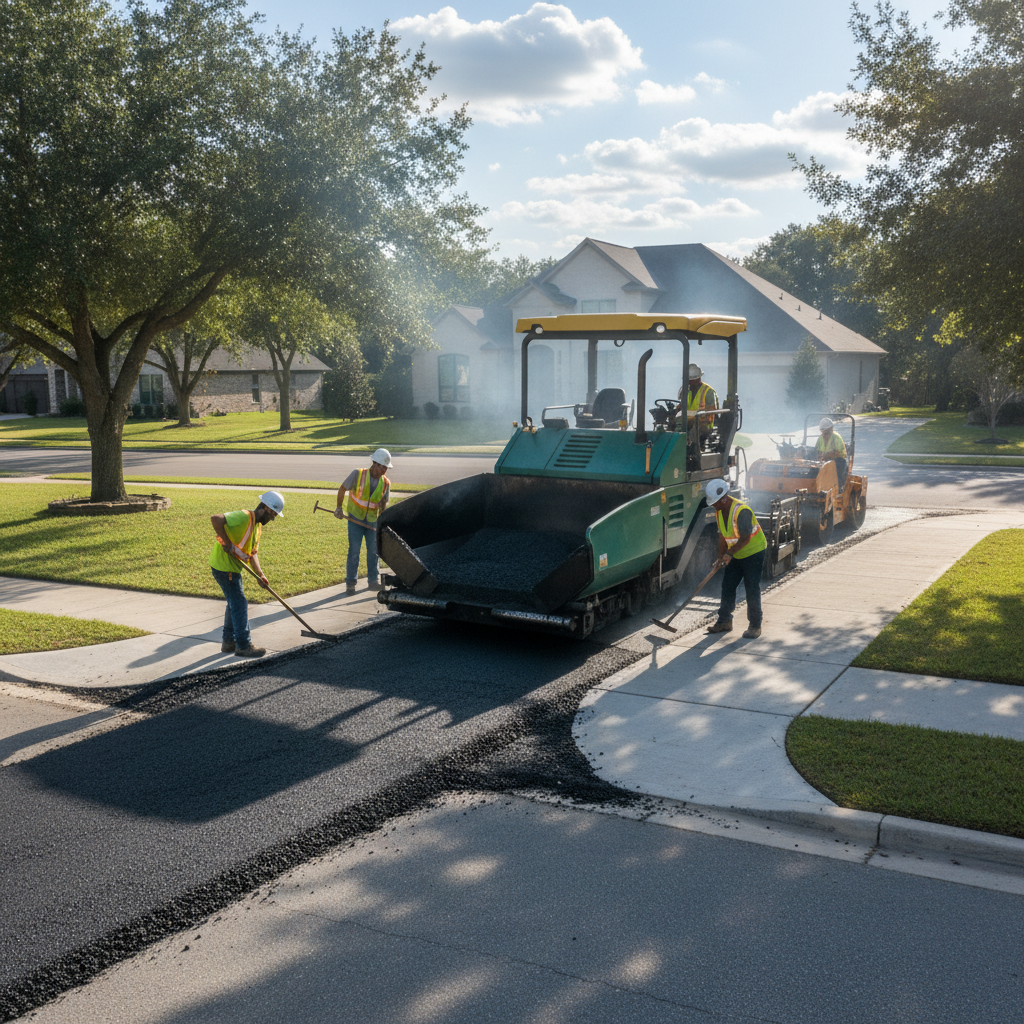
Driveway paving options and costs in Atikokan
Atikokan homeowners have a few dependable driveway choices, but the “right” material usually comes down to how the Northwest handles deep frost and freeze–thaw. With 91.7% of local dwellings being single-detached homes (Statistics Canada, 2021 Census), most driveways are attached to detached properties—so the addressable market is large, and contractors in town tend to be set up for standard residential rebuilds and overlays. At the same time, 90.1% of homes were built before 1981 (Statistics Canada, 2021 Census), which matters because many older driveways were poured or topped on bases that may not meet today’s frost-protection expectations.
In this part of Ontario, we generally plan for substantial frost protection (think about roughly 4 feet minimum as a practical baseline, and deeper/stronger base designs when soils and drainage are poor). That pushes up granular excavation, compaction, and material haul—especially when clay shows up or water can’t get away from the structure. The shorter paving season also concentrates work late spring through early fall, which can affect scheduling and overall installed pricing.
Local demand is especially steady around the Atikokan Lake and downtown corridor, where access and winter parking patterns often lead to more surface wear and earlier repairs. Below is a realistic comparison of common options and typical per-square-foot ranges, assuming proper base preparation and drainage.
| Material |
Lifespan |
Maintenance |
Best For |
Price per sq ft |
| Asphalt (new installation, proper base) |
15–25 years |
Seal every 3–5 years (weather dependent) |
Lowest upfront cost with good performance on a well-built base |
$7–$14 |
| Asphalt (overlay on existing gravel base) |
10–20 years |
Seal every 3–5 years; monitor edges and low spots |
When the subgrade is sound and you want a faster upgrade |
$8–$16 |
| Interlocking concrete pavers |
25–40 years |
Occasional joint sand refresh; targeted repairs |
Curb appeal and repairability without replacing the whole driveway |
$18–$35 |
| Poured concrete (broom finish) |
25–35 years |
Seal as recommended; address cracks early |
Clean, smooth finish and long-term durability |
$14–$28 |
| Exposed aggregate concrete |
25–35 years |
Seal for salt/surface staining resistance |
Slip resistance and decorative look |
$16–$32 |
| Gravel / crushed stone (budget option) |
3–8 years |
Re-grade and top up; weed control |
Temporary upgrade or low-budget start before rebuilding the base |
$3–$7 |
Prices are estimates only and vary by project scope, site access and material selection.
What affects the price of paving in Atikokan
In Atikokan and the broader Northwest region, it’s common to see quotes for the same driveway vary by 30–50%. The big reason isn’t just the surface material—it’s how each contractor addresses the “underneath” work needed for freeze–thaw durability and how efficiently they can schedule equipment in a shorter season. In late spring to early fall, hot-mix asphalt needs adequate air temperatures to compact properly, so demand concentrates and crews can be busier than in southern Ontario.
Frost protection depth is decisive. When deeper frost conditions are expected, the driveway needs a thicker compacted granular base to reduce heaving and cracking. In practice, that means more excavation, more granular placement, and more time on compaction testing than you’d see in milder areas. The drainage layer is just as important—standing water in clay soils accelerates base breakdown and forces more frequent sealing and patching. For many Atikokan sites, a “thin” approach that seems cheaper upfront can lead to surface breakup sooner, which is why a job that’s closer to the $7–$14 asphalt band often still requires proper base work, not just a top layer.
Concrete costs can also shift because air entrainment, mix design, and curing practices change with freeze–thaw exposure. For example, an older pre-1981 driveway rebuild that involves breaking out cracked slabs and replacing poor base can push total concrete projects toward the $14–$28 range. Conversely, a straightforward overlay where the existing granular base is stable and well-drained can keep costs closer to the low end. Asphalt mix specifications to match Northwest freeze–thaw performance also tend to cost more than generic mix.
| Price Factor |
Why It Matters |
Cost Impact |
| Driveway area in sq ft |
Most labour and material scale directly with surface area |
High (primary driver) |
| Base depth required |
Frost protection determines granular thickness and excavation volume |
High to very high |
| Grading and drainage work |
Slope corrections and drainage channels move water away from the structure |
Medium to high |
| Tear-out of existing surface |
Breaking/hauling old asphalt or concrete adds equipment time and disposal |
Medium to very high |
| Edge restraints and curbing |
Prevents pavers/asphalt from spreading and reduces edge failures |
Medium |
| Sealing requirement |
Asphalt needs sealing after installation to extend service life |
Low to medium (recurring) |
| Site access |
Narrow driveways and tight lots slow equipment movement and material placement |
Low to medium |
| Asphalt mix specifications |
Freeze–thaw rated mix and appropriate binder increases mix cost |
Low to medium (but meaningful) |
Permits & regulations in Ontario
For most Atikokan homeowners, paving work on your own property does not require a building permit. Typical examples that usually fall under “private driveway construction” include: installing new asphalt or concrete on your driveway within your lot lines, replacing or upgrading the driveway base on private property, and adding interlocking pavers in your own yard. However, permits and municipal approvals may be required when work affects the municipal right-of-way or city infrastructure. Examples include new or modified curb cuts, changes to boulevard grading that alter drainage patterns, any work near storm drains/municipal catch basins, or relocating/altering municipal services.
Here’s a practical step-by-step approach. First, call utility locates (Ontario One Call) before excavation so you don’t hit buried services. Next, ask the contractor to confirm whether the scope touches the boulevard or right-of-way—if it does, request the approval/permit plan in writing before work starts. Then verify the contractor properly: confirm their Ontario business licence where applicable, obtain a certificate of insurance (liability at minimum) and check they carry WSIB coverage (or the equivalent clearance documentation their trade uses for work in Ontario). You can also ask for the insurer details and clearance letter, and review current certificates directly with the document numbers provided.
Finally, confirm any lot-grading or set-back expectations with the municipality—especially important with older homes and driveways that historically drain toward neighbouring lots.
Asphalt vs pavers vs concrete for Atikokan driveways
For Atikokan’s freeze–thaw climate, all three main materials can work well when the base and drainage are designed properly—but they serve different homeowner priorities. Asphalt is typically the lowest upfront option (often the $7–$14 per square foot band when base work is included). It’s also relatively smooth for plowing, but it needs sealcoating every 3–5 years to protect against oxidation and salt exposure. If a driveway isn’t sealed on schedule in northern Ontario, you’ll usually see raveling and faster surface aging.
Interlocking concrete pavers have the highest typical installed cost (often the $18–$35 band), but they shine in repairability. With proper edge restraint and a well-compacted bedding layer, you can lift and replace sections if frost impacts a localized area—without redoing the entire driveway. That’s a real advantage when clay soils or drainage issues create “hot spots.”
Poured concrete sits in the middle cost range (often the $14–$28 band). It performs well with air-entrained concrete and proper jointing, but it’s more susceptible to cracking if the base settles or if de-icing habits are rough on poorly cured/poorly detailed slabs.
In Northwestern Ontario, the best-performing installs usually all start the same way: substantial granular depth for frost protection, good slope away from the garage, and a drainage plan that prevents water from pooling under the structure. A concrete option can be justified when you want a long, clean finish and you’ll budget for quality air entrainment and joints. Meanwhile, switching from asphalt to pavers is usually worth it when you value curb appeal and want easier localized repairs after winter impacts.
| Material |
Frost Resistance |
Curb Appeal |
Repair Method |
Lifespan |
Price Band |
| Asphalt (sealed regularly) |
Good with thick base and proper sealing |
Medium (varies by finish and colour) |
Crack patching and resurfacing/overlay |
15–25 years |
$7–$14 |
| Interlocking concrete pavers |
Very good when bedded and edge-restrained correctly |
High |
Remove/rebuild affected units or sections |
25–40 years |
$18–$35 |
| Poured concrete (air-entrained) |
Good with air entrainment and jointing |
Medium to high |
Spot patching; manage crack joints |
25–35 years |
$14–$28 |
| Exposed aggregate concrete |
Good with correct base and sealing |
High |
Resurface/patch; surface repair is more visible |
25–35 years |
$16–$32 |
| Permeable pavers (drainage grid) |
Very good where subgrade drainage is designed |
High (modern look) |
Lift/replace sections; inspect drainage grid |
25–40 years |
$22–$40 |
| Chip seal / tar-and-chip |
Moderate; needs good base and routine maintenance |
Low to medium |
Spot repairs and reseal as needed |
7–15 years |
$6–$12 |
How to choose a paving contractor in Atikokan
Choosing the right contractor matters more in Atikokan than many people expect, because your winter performance depends on the details: base thickness, drainage, compaction, and how the crew handles late-season conditions. Start by verifying Ontario licensing and proof of coverage. Ask for their current Ontario business registration/licence details, a certificate of liability insurance, and WSIB coverage documentation. You should be able to see the certificate period and coverage limits on the COI, and you should receive WSIB clearance documentation (or proof they carry coverage) before work starts.
Next, request 2–3 itemised written quotes that break down labour and materials (not just a single lump sum). Make sure they list: excavation and haul, base materials, compaction/any testing, asphalt thickness (or concrete thickness), jointing plan (for concrete), edge restraints (for pavers), and disposal. Confirm what’s excluded: things like unforeseen subgrade removal, rock excavation, permit fees, or additional drainage repairs should be spelled out.
Warranty is another must-check. Look for a workmanship warranty length and clarity on whether the warranty covers freeze–thaw heaving tied to base problems. Also ask about manufacturer warranties for binders or paver products and whether coverage is transferable to future homeowners.
On payment: never pay more than 10–15% upfront. Hold back a portion until the final walk-through, edges are cleaned, and any required repairs are finished. Finally, insist on a written timeline: start date, curing time (as applicable), and estimated completion.
- Ask for an itemised estimate (labour + each material line) before signing.
- Verify Ontario licence details and ask for the registration number.
- Confirm liability insurance with a current certificate of insurance.
- Provide WSIB clearance/coverage documentation for Ontario work.
- Require a written scope of work that includes base depth and compaction approach.
- Confirm drainage plan: slope away from garage and any swale/ditch tie-ins.
- For pavers, ensure edge restraints are included to prevent spread.
- For asphalt, confirm sealing is specified after curing (timing matters).
- Ask how they handle frost-impacted subgrade or soft clay spots.
- Clarify tear-out/disposal: what gets hauled away and where it goes.
- Check warranty length for workmanship and whether it covers base-related issues.
- Insist on a payment schedule with a holdback until final completion.
In Atikokan, red flags often include: quoting only surface thickness without explaining base depth and drainage; offering a low price without mentioning haul/disposal of removed concrete or asphalt; starting without proof of insurance/WSIB documentation; using vague warranties (“materials only”) with no clear workmanship terms; and refusing to provide a written, itemised scope or timeline.
Frequently asked questions — paving in Atikokan
What base thickness do I need for pavers in Atikokan?
For pavers in Atikokan, the base design is driven by frost protection and how your subgrade drains. In the Northwest, freeze–thaw cycles and deep frost typically mean contractors plan a thicker, well-compacted granular base than what people used for older “thin” driveways. A common approach is to excavate to remove unsuitable material, then rebuild with properly graded crushed stone layers compacted in lifts, followed by a bedding sand layer for the paver units. The exact thickness should be confirmed after a site assessment of your soil (especially if you have clay or recurring damp spots) and after checking how water currently moves off your driveway. Expect your contractor’s quote to reflect granular removal/placement and drainage work—not just the paver surface.
How do I get the most accurate paving quote in Atikokan?
To get the most accurate quote in Atikokan, schedule an on-site visit so the contractor can measure the driveway accurately, review access constraints, and assess the subgrade and drainage. Provide details like the current surface type (gravel, asphalt, or concrete), any known soft areas, and how you plow/salt during winter. Ask each contractor for a written, itemised quote covering excavation, base depth and compaction steps, thickness of asphalt or concrete, edge restraints (especially for pavers), and disposal. Also ask whether municipal right-of-way is involved—curb cuts and drainage changes can affect approvals. Finally, request a clear start date window, since the colder season shortens the work window and can change scheduling pressure.
How much does it cost to pave a driveway in Atikokan?
Cost depends mainly on driveway square footage plus base and drainage work, but to anchor expectations: asphalt driveway paving commonly lands in the $7–$14 per square foot range when proper base preparation is included, while interlocking pavers often fall in the $18–$35 per square foot band due to materials and labour. Poured concrete typically sits around the $14–$28 per square foot range, with added costs if tear-out and drainage corrections are required. If you’re upgrading an older pre-1981 driveway, factor in potential additional base reconstruction, especially if the subgrade is clay or water doesn’t run away from the garage. A realistic quote should break down these items rather than using one “all-in” number without the scope.
Asphalt vs interlocking pavers vs concrete — which is best in Atikokan?
In Atikokan’s freeze–thaw climate, “best” usually means best match to your budget, curb-appeal goals, and tolerance for maintenance. Asphalt is typically the lowest upfront option (often $7–$14/sq ft) and tends to work very well when installed over a thick, compacted granular base with a proper sealing schedule every 3–5 years. Interlocking pavers cost more (commonly $18–$35/sq ft) but are highly repairable if localized frost heave or settlement occurs—crews can lift and rebuild affected sections rather than replacing the entire surface. Poured concrete (often $14–$28/sq ft) can last a long time if it’s air-entrained and detailed with correct joints; however, it’s less forgiving if the base isn’t right. For most households, the deciding factor is base quality and drainage design, not just the top material.
How long does a paved driveway last in Atikokan?
Longevity in Atikokan depends on base thickness, drainage, and whether winter maintenance is tough on the surface. A properly installed asphalt driveway often lasts about 15–25 years, with the surface protecting itself better when you seal on schedule (commonly every 3–5 years). Interlocking pavers can commonly reach 25–40 years because the system is modular—repairs are localized, and you can address joint sand or small settlement issues without redoing everything. Poured concrete is often in the 25–35 year range when it’s air-entrained and jointed correctly for freeze–thaw. If your driveway has poor drainage, you can see early surface failures regardless of material. That’s why the best quotes include the “under” work: excavation to remove weak soils, correct granular layers, and a slope that sheds water away from the structure.
When is the best time of year to pave in Atikokan?
The best time in Atikokan is late spring through early fall, when temperatures support proper compaction and concrete curing. Hot-mix asphalt requires warm conditions—air temperatures generally need to be high enough to place and compact effectively—so trying to rush too early in spring can lead to weak compaction and premature aging. Concrete also needs suitable weather for placement and curing, and crews often schedule to avoid freezing nights during cure. Because the paving season is shorter in Northwestern Ontario, contractors can book up during the optimal window, which is why it’s smart to request quotes and lock a start date sooner rather than waiting until the driveway is already broken. A good contractor will also coordinate around thaw/refreeze timing and ensure surface prep is done when the subgrade is stable.