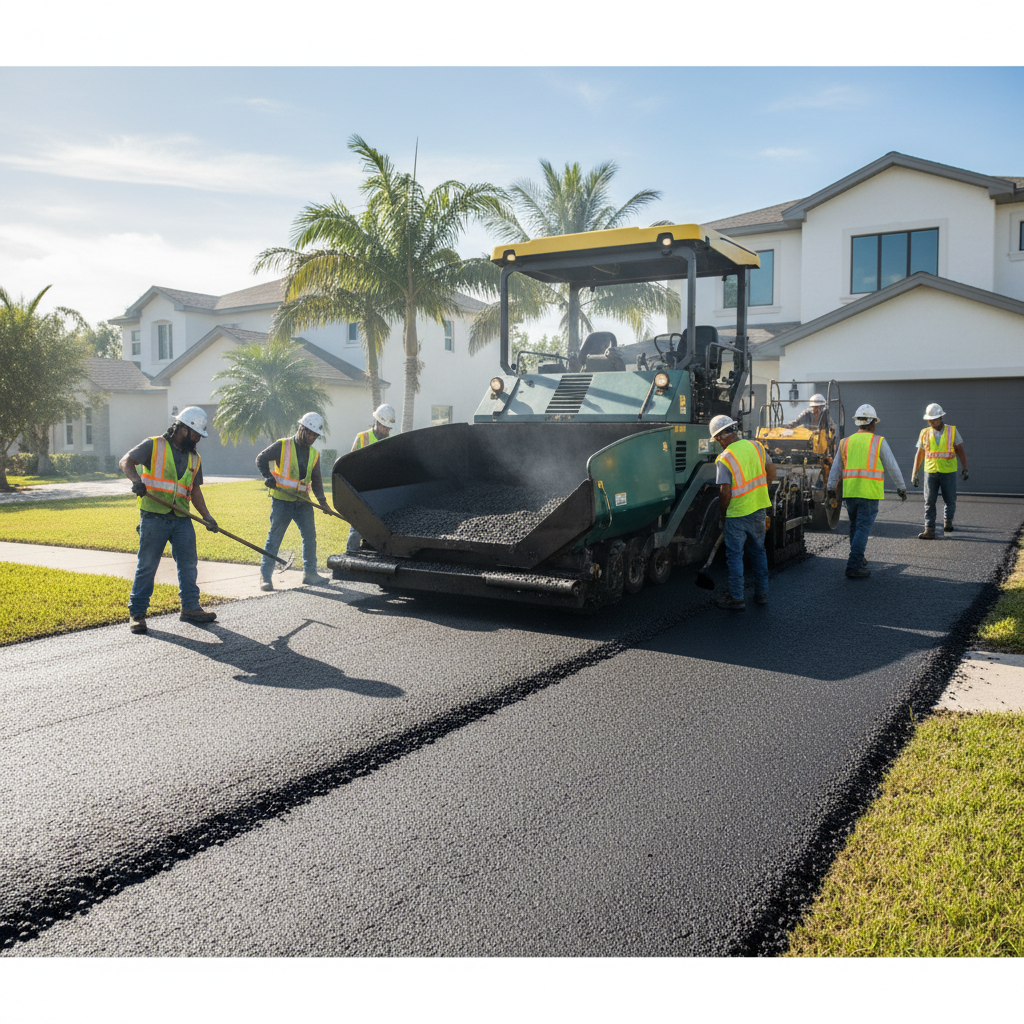
Driveway paving options and costs in Castlegar
Castlegar homeowners typically start with three driveway questions: what will it cost, how long will it last, and how will it hold up to Kootenay winter. With 8,338 people in town and about 2,700 homeowner households (76.1% of households own), there’s steady demand for private upgrades—especially on the 67.7% of dwellings that are single-detached homes, where driveways and front walk access are usually part of the same “front yard” plan. Another local factor is housing age: 64.5% of homes were built before 1981, so many driveways involve older base conditions, buried drainage issues, and asphalt or gravel that needs more than just a surface patch.
In Castlegar and the Kootenays, the colder interior climate and repeated freeze–thaw cycles are major cost drivers. Frost depth in the Kootenay region is commonly around 45–60 inches depending on elevation and micro-climate, so contractors often need a deeper, well-compacted granular base (commonly 6–10 inches, sometimes more on weaker or clayey soils) plus reliable drainage. The paving season is also shorter than coastal BC, which compresses demand into late spring through early fall and can tighten schedules—so you’ll see regional labour and mobilization reflected in quotes for everything from new asphalt to paver installs.
If you’re in the West Kootenay/Trail corridor side of town or up toward areas with steeper lots and winter access challenges, you’ll often see more demand for drainage correction and thicker base design. Use the table below to compare typical options by material, expected lifespan, and the budget ranges most homeowners see for Castlegar projects.
| Material |
Lifespan |
Maintenance |
Best For |
Price per sq ft |
Price Range |
| Asphalt (new installation, proper base) |
15–25 years |
Sealcoat about every 3–5 years; keep edges clean |
Strong value when base is built to handle frost |
$7.00–$12.00 |
$7,000 – $13,000 |
| Asphalt (overlay on existing gravel base) |
10–18 years |
Sealcoat; monitor settlement and patch early |
When the existing base is acceptable and thickness is planned |
$6.00–$10.50 |
$6,500 – $11,500 |
| Interlocking concrete pavers |
25–40 years |
Spot repairs and re-sanding joints as needed |
High curb appeal; easy repairs without full replacement |
$11.00–$16.50 |
$9,000 – $16,000 |
| Poured concrete (broom finish) |
20–30 years (with good air-entrainment) |
Light cleaning; seal optional; address cracks early |
Clean, low-maintenance look with correct jointing |
$9.50–$14.00 |
$11,000 – $18,000 |
| Exposed aggregate concrete |
20–30 years |
Sealer typically needed; periodic cleaning |
Slip-resistant finish and decorative curb appeal |
$12.00–$17.50 |
$13,000 – $20,000 |
| Gravel / crushed stone (budget option) |
3–7 years (varies widely) |
Re-grade and top up annually; manage ruts |
Lower upfront cost and temporary access |
$3.00–$6.50 |
$2,500 – $6,500 |
Prices are estimates only and vary by project scope, site access and material selection.
What affects the price of paving in Castlegar
In Kootenay communities like Castlegar, it’s common to see quotes for the “same driveway” differ by 30–50% once you factor in base depth, drainage fixes, and how much of the existing surface needs to be removed. Two driveways may both be 400 square feet, but one might have soft subgrade or poor surface water control—so the contractor must excavate deeper, import free-draining road base, and rebuild for frost resistance. That’s also why homeowner budgets that start with $7,000–$13,000 for asphalt can move toward the higher end when drainage and rebuilds are required.
Freeze–thaw cycling is a decisive cost factor in the Kootenays. Where frost penetration is commonly in the 45–60 inch range, contractors can’t rely on a thin, weak granular layer: thicker compacted base and proper grading help prevent heaving and cracking. While milder coastal BC sometimes allows slimmer base designs, Kootenay projects generally require more granular thickness and tighter compaction in thin lifts. Also, hot-mix asphalt production and placement needs adequate air temperature—typically above 10°C—so the shorter paving season (late spring to early fall) compresses demand and increases scheduling pressure. Mix design matters too: freeze-thaw-rated asphalt may cost more, but it reduces early raveling and premature failure.
Concrete pricing can swing based on job-specific details. For example, older driveways with settlement can require deeper tear-out and re-jointing (raising the poured concrete cost band that commonly runs $11,000–$18,000). Conversely, a straightforward access route with good existing slopes may keep you closer to budget. If you’re paving over gravel that’s already properly graded and compacted, an asphalt option may stay nearer the lower asphalt band—but if the base is “washing out” during melt, you should expect a higher rebuild cost to protect the investment.
| Price Factor |
Why It Matters |
Cost Impact |
| Driveway area in sq ft |
Most materials and labour scale directly with surface area and thickness |
Largest swing; can represent 50–70% of total project cost |
| Base depth required |
Frost line and subgrade conditions determine granular thickness to prevent heave |
Often adds major cost if excavation/import increases |
| Grading and drainage work |
Proper slope and drainage keep water out of the base before freeze-up |
Can move quotes by thousands if regrading and drainage corrections are needed |
| Tear-out of existing surface |
Breaking and hauling concrete or old asphalt, plus disposal, increases labour and equipment time |
Typically a significant add-on, especially with tight access |
| Edge restraints and curbing |
Prevents paver spread and asphalt edge breakdown; holds line under plow/snow load |
Moderate cost, often essential for long-term performance |
| Sealing requirement |
Asphalt needs sealcoat after 6–12 months to protect from moisture and UV |
Recurring cost; affects long-term value more than upfront options |
| Site access |
Narrow lots, steep drive approaches, and overhead constraints slow equipment movement |
Can increase labour and mobilization time |
| Asphalt mix specifications |
Freeze-thaw-rated mix design costs more and may require specific placement practices |
Higher mix cost but reduces early failures |
Permits & regulations in British Columbia
For most Castlegar homeowners, paving work on a private driveway within your own property typically does not require a building permit in British Columbia. That said, the details matter: work in the municipal right-of-way often needs municipal approval. In practice, that includes changes such as new curb cuts, modifications to the boulevard area, alterations to storm drainage patterns, or any adjustments that affect municipal infrastructure or runoff management. If your driveway ties into a municipal lane/road frontage or your plan changes how water leaves your property, expect an approval step before excavation begins.
Here’s a practical way to verify what applies:
- Confirm property lines and whether any part of the work is within the municipal right-of-way (your survey map or the municipality can confirm).
- Ask the contractor (in writing) whether any curb cutting, drainage changes, or boulevard work is included.
- Always arrange utility locates before you dig: in BC, use the applicable utility locating service (BC 1 Call) and ensure the ticket is active for the exact excavation window.
- Check local lot-grading bylaws: some municipalities restrict how close hard surfaces can be built to property lines and may require you to maintain drainage away from foundations.
When hiring, don’t guess. Verify the contractor’s British Columbia licence (if applicable to the work), request a certificate of liability insurance, and confirm coverage for workplace safety obligations (commonly via WSBC registration/clearance). Then ask for clear documentation dates that match your project start.
Asphalt vs pavers vs concrete for Castlegar driveways
For Castlegar driveways, your choice usually comes down to upfront cost versus long-term repair strategy under freeze–thaw conditions. Asphalt often wins on initial budget and speed of installation. In the Kootenays, asphalt is typically a strong fit when the contractor builds the granular base to resist frost heave and maintains proper drainage. The trade-off is maintenance: asphalt sealing is usually needed every 3–5 years to slow moisture damage. If you keep it maintained, asphalt typically sits in the $7,000–$13,000 range for many standard residential driveways, but a poor base rebuild can push costs toward the high end.
Interlocking concrete pavers cost more to install, typically $9,000–$16,000, but they’re often the best choice when you want curb appeal and flexible repairs. Because individual units can be lifted and reset, localized base settlement or freeze-related movement is usually correctable without replacing the entire driveway. With proper restraints and joint sand, pavers can also tolerate plow traffic better than many people expect—so long as the base and drainage are correct.
Poured concrete is mid-range to high—often $11,000–$18,000—yet it can still crack in interior BC if it’s not air-entrained and properly jointed for freeze–thaw. Concrete fares better with correct thickness, air entrainment, and good drainage away from the slab. One concrete dollar example: upgrading from a basic asphalt install to a paver design can be worth it when you’re planning longer-term “no hassle” repair—if your asphalt quotes are close to the $7,000–$13,000 band but your site has uncertain drainage or older base (common on pre-1981 properties), pavers may justify their higher upfront cost.
Overall, the option that holds up best to winter maintenance in the Kootenays is the one built on a well-draining, properly compacted base with the right surface selection for how you maintain it (plowing, sand, and any de-icing practices). Salt and abrasive sand can still accelerate wear on any surface, but good base drainage is what most consistently prevents premature failure.
| Material |
Frost Resistance |
Curb Appeal |
Repair Method |
Lifespan |
Price Band |
| Asphalt (sealed regularly) |
Good with deep granular base and proper drainage |
Moderate (clean, dark finish) |
Patch and reseal affected areas |
15–25 years |
$7,000 – $13,000 |
| Interlocking concrete pavers |
Very good when base is stabilized and edges are restrained |
High (design variety, crisp lines) |
Lift/replace individual pavers; re-sand joints |
25–40 years |
$9,000 – $16,000 |
| Poured concrete (air-entrained) |
Good with air-entrainment and proper jointing |
Moderate to high (smooth or stamped/exposed) |
Seal and patch cracks; larger repairs may need sections removed |
20–30 years |
$11,000 – $18,000 |
| Exposed aggregate concrete |
Good, similar freeze–thaw performance to reinforced air-entrained concrete |
Very high (textured, decorative) |
Patch with similar finish mix; cosmetic touch-ups |
20–30 years |
$13,000 – $20,000 |
| Permeable pavers (drainage grid) |
Very good where designed for local infiltration/flow control |
High (modern look, designed drainage) |
Replace affected units; keep drainage layer maintained |
25–40 years (maintenance-dependent) |
$10,000 – $18,500 |
| Chip seal / tar-and-chip |
Fair to good; sensitive to base quality and winter wear patterns |
Lower (functional finish) |
Re-application of chips; localized patching |
7–12 years |
$6,000 – $11,500 |
How to choose a paving contractor in Castlegar
Choosing the right contractor in Castlegar is about proof, not promises. In British Columbia, verify licensing where required for the scope, request certificate of liability insurance, and confirm worker coverage for workplace safety requirements (commonly WSBC/WCB-related clearance). Ask for the current certificate dates and ensure the insured business name matches the quote. If they can’t provide documentation quickly, that’s a real red flag.
Next, get 2–3 itemised written quotes with a labour-and-materials breakdown. You want line items for excavation, disposal, base supply/import, granular thickness, compaction, asphalt/paver/concrete materials, edge restraints/curbs, and any drainage improvements. Avoid “lump sum only” proposals when the scope includes tear-out and base rebuild—this is where quote gaps hide. Also clarify exclusions: permit pulling (if required), utility locate ticket costs, and whether winter cold-weather additives or staging are included.
Warranty matters too. Ask for the workmanship warranty term in writing and whether it’s transferable if you sell the house. For pavement longevity, request details on sealing timing for asphalt and joint-sand maintenance for pavers. For payment schedule, never pay more than 10–15% upfront and hold back a portion until completion and cleanup. Finally, insist on a start date and completion estimate in writing—especially in a shorter Kootenay paving season where weather can affect timelines.
- Confirm the crew’s ability to compact in thin lifts and provide compaction approach details.
- Ask what granular base depth they recommend for your site conditions (and why).
- Require a drainage plan: slope direction, swales, and how water is managed away from the driveway and foundation.
- Check whether edge restraints are included for pavers or where asphalt edges may fail.
- Verify utility locate coordination and excavation safety procedures.
- Ensure tear-out and disposal are itemized (and include hauling distance assumptions).
- Ask about asphalt mix design/grade and freeze–thaw considerations for the Kootenays.
- Clarify weather cutoffs and cold-weather staging plan for asphalt/concrete.
- Confirm reinforcement/jointing approach if choosing poured concrete.
- Request a written warranty for workmanship and the manufacturer/product warranty terms.
- Check payment schedule: maximum upfront 10–15% and progress payments tied to milestones.
- Get the site protection plan: silt control, runoff management, and driveway access during construction.
If you’re seeing contractors who won’t itemize scope, can’t show insurance documents, propose to pave directly over unsuitable base, ignore drainage and edge restraint details, or push for large upfront payments, treat it as a “run and re-quote” situation. In the Kootenays, those shortcuts tend to show up as winter heave, edge breakdown, and early patchwork.
Frequently asked questions — paving in Castlegar
Why does my driveway crack and heave in winter?
In Castlegar and across the Kootenays, winter cracking and heaving usually point to a base or drainage problem rather than “bad luck.” Freeze–thaw cycles can push water-saturated soils and weak subgrade upward if the granular base isn’t deep enough or properly compacted in thin lifts. Common causes include inadequate slope, water that ponds along the slab/asphalt edge, missing edge restraints, or using too little imported free-draining material on clayey or disturbed soils—especially on older properties built before 1981. Cracks then form as the surface flexes and joints fail to accommodate movement. If you see frost-related heave, the fix is typically to address drainage and rebuild the base thickness (not just patch the surface). A well-planned asphalt job in the $7,000–$13,000 band can last 15–25 years when the structure is right.
Do I need a permit to pave my driveway in British Columbia?
Usually, paving a private driveway within your property boundaries in British Columbia doesn’t require a building permit. However, it may require municipal approval if the work affects the municipal right-of-way—such as new curb cuts, boulevard changes, or any alteration to storm drainage patterns. Castlegar-specific results vary by where your driveway meets the street and how runoff is handled, so it’s smart to confirm the right-of-way limits before excavation. Step one is to ask the contractor whether any right-of-way work or drainage changes are included. Step two is to ensure utility locates are completed before digging. Step three is to confirm any lot-grading rules that restrict how close hard surfaces can be built to property lines. A reputable contractor will tell you early if an approval is likely and document it in the scope.
How long before I can drive on new asphalt?
For most residential asphalt placements in Castlegar, light vehicle access is typically allowed once the surface has cooled and reached an appropriate temperature. Many crews plan for same-day foot traffic and then vehicle access within about 24 hours, but timing depends on mix temperature, weather, and how thick the lift is. If you have heavy equipment or expect plow-grade weight, ask the contractor for the exact traffic restriction window in writing. Sealing is also a separate step: asphalt is usually sealed after it has cured—often around 6–12 months—so you’re not selecting a longer-term plan based solely on the “first drive” date. If your quote is in the asphalt range of $7,000–$13,000, make sure it also addresses sealing timing so you get the lifespan expected for a properly built base.
What causes potholes and how are they repaired?
Potholes usually start from trapped water and base failure. When water infiltrates through surface cracks, it weakens the subbase during freeze-up and melt periods. In the Kootenays, freeze–thaw cycles enlarge that damage quickly, turning small failures into potholes—especially near driveway entrances, edge lines, and areas with poor drainage. Repair typically involves saw-cutting or breaking out loose material, removing the failed granular material, rebuilding compacted base, and then placing asphalt in layers to restore strength. A good contractor will address why the failure happened—often grading corrections and improved drainage—otherwise the patch can return. Ask whether the repair includes base rebuild or just surface patching. If your driveway is due for maintenance, proactive patching before the next winter season is usually cheaper than repeating repairs.
How do I prepare for a paving project?
Preparation makes a real difference in Castlegar scheduling and final quality. Start by clearing the driveway of vehicles, boats/trailers, and stored items. Keep landscaping watered (not drenched) so soil around the edges doesn’t slough during excavation, and mark any sprinkler heads or underground lines you know about. Agree on access routes and temporary parking arrangements since equipment may need to work in stages. If you have pets or children, discuss safety barriers and dust/silt control. Confirm whether the contractor will handle utility locating, disposal, and any right-of-way approvals (if applicable). If you’re paving an older driveway, be ready for potential base excavation beyond “surface only,” because hidden weak areas can be the reason your pavement has failed. A well-prepared site supports the cost and timeline you’ll see in a quote, often within the asphalt $7,000–$13,000 or concrete $11,000–$18,000 bands depending on scope.
How do I compare paving quotes fairly?
To compare quotes fairly in British Columbia, avoid “apples-to-oranges” comparisons based only on a single total price. In Castlegar, the biggest differences often come from base depth, drainage corrections, tear-out scope, and whether edge restraints or curb work are included. Ask each contractor for an itemized breakdown: excavation, disposal, granular base supply/import and thickness, compaction approach, surface material type/grade, and finishing details. Confirm what’s excluded (permit pulls if any, utility locate ticket costs, and landscaping reinstatement). Compare warranty terms for workmanship and product (and whether warranties are transferable). Check the payment schedule: holdbacks tied to completion are a sign of professionalism. Finally, compare the proposed timeline and weather plan since the Kootenay paving window is shorter and scheduling pressure can affect staging. If one quote is much lower, it’s often missing a structural or drainage component.