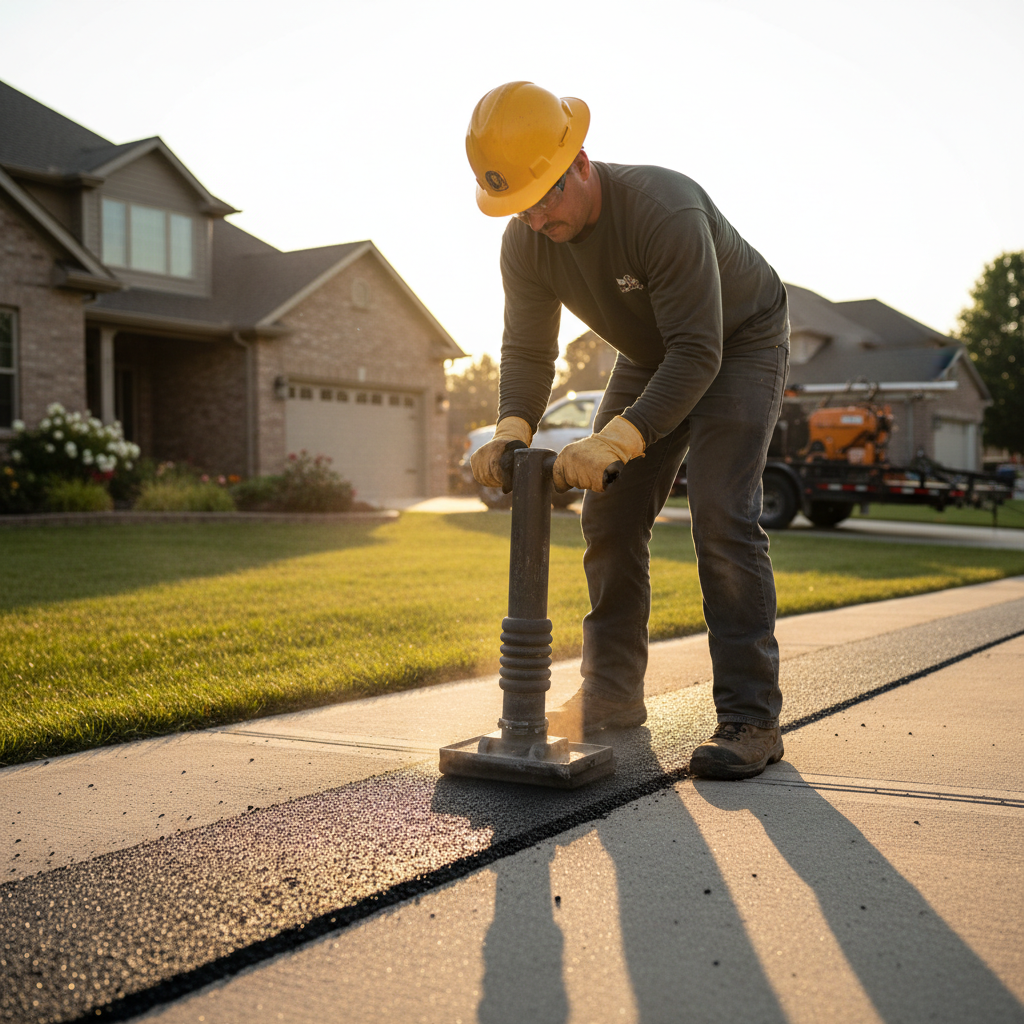
Driveway paving options and costs in Fort McMurray
Fort McMurray homeowners have a few solid driveway paving routes, but the right choice is always shaped by one thing: winter. With deep frost penetration and frequent freeze–thaw cycles across Wood Buffalo–Cold Lake, driveways can heave, rut, and crack if the granular base and drainage aren’t built for northern conditions. That’s why costs here often cluster in the “higher base prep” end of the Alberta range rather than the cheapest option.
Locally, there’s lots of demand for driveway work because many homes are single-detached properties—so a large portion of private driveways are tied to detached-house sites where the driveway must perform every winter. In 2021, Fort McMurray’s population was 66,573 (Statistics Canada, 2021 Census), and that steady housing and renovation footprint keeps crews busy through the short May–September paving window.
Contractors in neighbourhoods with more older lots and frequent replacement cycles—like Parsons Lake and Beacon Hill—tend to be in higher demand because more driveways are reaching the stage where overlays or full rebuilds are cost-effective. Asphalt often starts lowest at an installed rate of about $6,000–$12,000, while interlocking pavers and concrete can climb higher when base depth, edge restraints, and disposal requirements are increased for frost protection.
Use the comparison below as a realistic “budget-to-premium” guide for Fort McMurray projects, then we’ll break down the specific cost drivers behind the differences you’ll see in bids.
| Material |
Lifespan |
Maintenance |
Best For |
Price per sq ft |
| Asphalt (new installation, proper base) |
12–20 years |
Seal every 3–5 years (especially before your 1–2 busiest winter years) |
Most cost-conscious driveway rebuilds |
$5.50–$9.50 |
| Asphalt (overlay on existing gravel base) |
8–15 years |
Crack control as needed; seal when stabilized (often within 6–12 months) |
When the existing base is sound enough to avoid full tear-out |
$4.75–$8.50 |
| Interlocking concrete pavers |
20–30 years |
Occasional joint sanding; re-leveling sections if ever needed |
Maximum curb appeal and repairability |
$10.00–$16.50 |
| Poured concrete (broom finish) |
20–30 years (proper air-entrainment and base) |
Seal/maintain joints; consider sealant when recommended for freeze conditions |
Clean, simple surface with mid-range upfront cost |
$8.00–$13.50 |
| Exposed aggregate concrete |
25+ years (when detailed correctly) |
Seal periodically; keep edges tight to prevent spalling |
High slip resistance and premium appearance |
$11.00–$17.50 |
| Gravel / crushed stone (budget option) |
3–7 years |
Regrade and top up as ruts form (common with heavy traffic) |
Short-term or remote-access sites; low-cost staging |
$3.00–$6.00 |
Prices are estimates only and vary by project scope, site access and material selection.
What affects the price of paving in Fort McMurray
In Fort McMurray and the wider Wood Buffalo–Cold Lake area, two quotes for the “same” driveway can differ by 30–50% once you compare what’s actually in the scope. The big reason is frost protection. With frost line guidance in the 1.2–1.5 m range in northern Alberta, contractors need to build a thicker, well-compacted granular base and correct drainage so water doesn’t infiltrate the subgrade and cause heaving, rutting, or cracking. That base work—grading, geotextile where needed, proper lift compaction, and thicker aggregate design—doesn’t show up on the brochure, but it drives the real cost.
Second, the paving window is shorter (often May–September). Hot-mix asphalt generally needs air temperatures above 10°C to place and compact correctly, so production planning is tight. When the schedule compresses, labour rates and mobilization costs rise to manage weather risk and downtime.
Concrete can also swing in price based on how it’s detailed for freeze–thaw. For example, a basic broom finish poured slab may come in lower, but air-entrained concrete and proper jointing (plus a prepared base) is what helps it survive winters with less cracking. Meanwhile, an exposed aggregate surface typically costs more up front due to the finish and sealing requirements, but it can hold traction better under snowmelt and ploughing patterns.
If you’re comparing options, it helps to anchor to local bands. Asphalt new installation often sits around $6,000 – $12,000 for typical driveways, while interlocking pavers are frequently in the $9,000 – $18,000 band once full depth base, edging, and disposal are included.
| Price Factor |
Why It Matters |
Cost Impact |
| Driveway area in sq ft |
Most material and production time scale directly with surface area |
Major driver; larger variance on small lots because setup is spread less efficiently |
| Base depth required |
Frost line determines granular thickness to prevent heaving and differential settlement |
Higher base design pushes cost upward, especially on clay or frost-susceptible soils |
| Grading and drainage work |
Proper slope and drainage keep meltwater from infiltrating joints and edges |
Can add significant labour and material if the existing site is flat or ponding |
| Tear-out of existing surface |
Breaking, loading, trucking and disposal add direct costs and time |
Often a major swing factor; can change the job from “overlay” to “full rebuild” pricing |
| Edge restraints and curbing |
Needed to keep pavers from spreading or asphalt from rolling at the edges |
Adds labour and concrete/steel components; improves long-term performance |
| Sealing requirement |
Asphalt must be sealed after stabilization to slow oxidation and water entry |
Moderate cost now that protects the surface and reduces future patching |
| Site access |
Narrow/tight lots slow equipment movement and increase hand work |
Higher labour time and sometimes extra staging charges |
| Asphalt mix specifications |
Freeze-thaw-rated mix design costs more but improves durability in northern cycling |
Increases unit cost, often worth it where repairs in the past failed |
Permits & regulations in Alberta
In Alberta, paving a private driveway within your own property usually does not require a building permit. In most cases, replacing or resurfacing your driveway surface on your lot is treated as private works. Where permits and approvals often come into play is when you touch the public portion of your property—especially the municipal right-of-way. That includes new curb cuts, changes to boulevard areas, or any work that alters storm drainage patterns (for example, modifying ditch lines or connecting drainage differently).
Some municipalities also have lot-grading rules that restrict how close you can place a hard surface to property lines, how you manage water flow, and what slopes are acceptable to avoid directing water onto neighbours’ lots. For Fort McMurray homeowners, the key is to confirm lot-grading and drainage expectations before construction so you don’t end up removing and redoing sections after a compliance review.
Step 1: call for utility locates before any excavation. In Alberta, use Alberta One-Call so buried services are marked. Step 2: verify the contractor’s licensing and insurance—get a clearance letter or verification from the applicable Alberta online registry, and ask for a current certificate of liability insurance showing your address/proposal covered. Step 3: confirm WSIB/WCB coverage (workers’ compensation coverage) so you’re not left exposed if an injury occurs on-site.
Finally, ask for the contractor’s plan for disposal of removed asphalt/concrete and how they’ll protect your existing landscaping and underground services during base work.
Asphalt vs pavers vs concrete for Fort McMurray driveways
For Fort McMurray driveways, asphalt, interlocking pavers, and concrete each have a “best use” depending on how you want the driveway to behave through winter and how you handle maintenance. Asphalt is typically the lowest upfront cost, and when built on the right granular base with proper slope and edge detailing, it performs well in northern cycles. The trade-off is maintenance: sealing is a must (often every 3–5 years), and you’ll usually plan for patching if winter impacts create small failures.
Interlocking concrete pavers have the highest upfront price in most northern bids, but they’re repairable in sections. If a frost-susceptible area settles or a utility is later accessed, individual pavers can be lifted, the base corrected, and the area reinstalled—without tearing out the entire driveway. That’s a major advantage in Wood Buffalo–Cold Lake where subgrade moisture and freeze-thaw can expose weaknesses over time.
Poured concrete sits in the middle on many projects, but durability depends heavily on base prep, air-entrainment, and proper jointing. Without the right mix and detailing, freeze–thaw and de-icing conditions can lead to cracking and spalling. Exposed aggregate concrete improves traction and appearance, while still requiring correct base and sealing practices.
In Fort McMurray’s climate with deep frost penetration and ploughing cycles, the biggest “holds up best” factor is drainage plus base depth—more than the surface alone. If your budget is tight, asphalt in the $6,000 – $12,000 band can be justified, especially if you’re consistent with sealing and crack control. If you want the most flexible long-term repair strategy, interlocking pavers in the $9,000 – $18,000 band can be worth the premium, particularly for driveways that see heavy turning and seasonal vehicle parking.
| Material |
Frost Resistance |
Curb Appeal |
Repair Method |
Lifespan |
Price Band |
| Asphalt (sealed regularly) |
Good with deep base, drainage, and seal maintenance |
Good (clean black surface, simple lines) |
Patch and compact; overlay if widespread wear |
12–20 years |
$6,000 – $12,000 |
| Interlocking concrete pavers |
Excellent with correct sub-base and jointing sand |
Very high (wide colour/pattern options) |
Lift-and-replace localized sections |
20–30 years |
$9,000 – $18,000 |
| Poured concrete (air-entrained) |
Good when air-entrained and properly jointed |
Medium to high (clean slab look) |
Resurface/patch; repair cracks at joints |
20–30 years |
$8,000 – $15,000 |
| Exposed aggregate concrete |
Good with proper base and sealing |
High (textured, premium finish) |
Patch and colour-match; localized repairs |
25+ years |
$11,000 – $17,500 |
| Permeable pavers (drainage grid) |
Excellent where drainage design is verified |
High (site-specific detailing) |
Correct base and replace affected grid units |
15–25 years |
$12,000 – $20,000 |
| Chip seal / tar-and-chip |
Moderate; depends on binder quality and base |
Low to medium (less refined look) |
Spot patch; re-chip in cycles |
6–12 years |
$5,000 – $10,000 |
How to choose a paving contractor in Fort McMurray
Choosing a paving contractor in Fort McMurray is less about finding the lowest number and more about confirming the team can build for deep frost and northern freeze–thaw. Start by verifying Alberta licensing through the appropriate online registry (and ask for the contractor’s licence details up front). Next, request a certificate of liability insurance that clearly lists your address/project area and includes current coverage. Also confirm WSIB/WCB coverage for workers—if they don’t carry it, that risk falls on you if there’s an injury on-site.
Then ask for 2–3 itemised written quotes. “Itemised” matters: you want a labour + material breakdown (excavation, base supply, granular depth, geotextile if used, asphalt/paving materials, compacting, sealing, tack coat, and disposal). A lump-sum number without scope detail is where misunderstandings grow—especially in a tight season where sequencing affects pricing.
Read the scope carefully for exclusions and add-ons: is permit/approval handling included where needed, is the tear-out/disposal priced, and is topsoil/landscaping reinstatement covered? In northern Alberta, disposal and haul distances can move the needle fast.
On warranty, ask for workmanship warranty length and whether product/manufacturer warranty is separate. Confirm if warranties are transferable to future owners. For payment, never pay more than 10–15% upfront; hold back a portion until final cleanup and completion. Always get a start date and a completion estimate in writing, because May–September weather and staging availability can shift work.
- Provide a written base design: granular depth, compaction method, and drainage slope plan.
- List all materials explicitly (mix specification, binder type, paver thickness, concrete air-entrainment).
- Confirm whether geotextile and/or separation fabric is included where subgrade is frost-susceptible.
- Include tear-out and haul/disposal costs as a line item (not “allowance” only).
- State edge restraint details (paver restraints, asphalt cut-back, curb/beam requirements).
- For asphalt: include whether tack coat and compaction testing are part of the scope.
- For asphalt: include sealing timing and whether a first seal is included after stabilization.
- Confirm winter-season handling (covering, snow removal, and protection of fresh surfaces).
- Document workmanship warranty and what counts as repair (not just “assessment”).
- Show proof of liability insurance and WSIB/WCB coverage before the work starts.
- Use a clear schedule for stages: excavation → base → compaction → surface placement → final grading.
- Get a signed contract that includes scope, total price, taxes, warranty, and change-order terms.
Red flags in Fort McMurray include: quotes that assume minimal base preparation (“overlay only” without inspecting the subgrade), no written granular depth or drainage plan, refusal to provide insurance/WSIB/WCB proof, vague wording around disposal and reinstatement, and requests for large upfront payments beyond 10–15%.
Frequently asked questions — paving in Fort McMurray
What causes potholes and how are they repaired?
Potholes in Fort McMurray are usually a freeze–thaw story. Water enters small cracks or weak joints, freezes and expands under the surface, then repeated thawing and traffic break the asphalt or loosen the granular base. If the driveway has any areas that pond (or where edges are not properly restrained), water infiltration accelerates failure. In the Wood Buffalo–Cold Lake region, deep frost means weak drainage and underbuilt base can show up as localized breakdown within a few winters.
Repair typically starts with removing failed asphalt to expose the base, then drying/assessing the underlying granular layer. A proper fix includes re-compacting the base, then placing asphalt to match the existing elevation. Depending on extent, your contractor may recommend patching (smaller isolated potholes) or a partial rebuild. Costs vary, but even “small” repairs can be more than you expect because haul/disposal and prep work are the expensive parts; that’s why maintaining sealed asphalt (and planning early crack sealing) can be cheaper than repeated pothole patching.
How do I prepare for a paving project?
Preparation starts with giving the crew access and protecting everything they can’t replace quickly—utilities, landscaping, fences, and vehicle storage. In Fort McMurray, plan to move vehicles off the driveway and clear any snow piles that would block equipment. If you have existing drainage issues (water running toward the house or ponding at the apron), flag them to the contractor so grading and slopes can be built into the scope rather than “fixed later.”
Also arrange utility locates before any excavation. Even if you think the driveway area is clear, you should still confirm it through Alberta One-Call. If you’re doing a tear-out, discuss disposal and reinstatement so you’re not surprised by where old asphalt/concrete is hauled. If the quote includes sealing, ask about timing: asphalt usually needs stabilization, and many contractors target sealing after it’s ready rather than immediately. For many projects, your initial material choice (like asphalt in the $6,000 – $12,000 band versus interlocking pavers in the $9,000 – $18,000 band) influences how long you should keep vehicles off the finished surface.
How do I compare paving quotes fairly?
To compare quotes fairly in Alberta, you need them to describe the same work. Ask each contractor to provide an itemised bid listing base preparation (including granular depth and compaction expectations), tear-out/disposal, drainage/grading work, edge restraints, and—if asphalt—tack coat and compaction steps. If one quote assumes overlay and another includes full rebuild, you’re not comparing the same scope, even if the driveway size matches.
Look for concrete mix details (air-entrainment) and jointing plans, and for pavers confirm the restraint system and joint sand type. Pay attention to warranty length and what repairs are included. For payment, ensure deposits are reasonable—typically 10–15% upfront—and hold back a portion until completion. If your project is in the typical asphalt price window (often $6,000 – $12,000 in Fort McMurray), be cautious of any number far below that without a written explanation for base depth or drainage omissions.
Can asphalt be laid in cold weather in Fort McMurray?
Asphalt placement in cold conditions is limited because the mix needs workability and proper compaction. Hot-mix asphalt generally requires air temperatures above 10°C for best results; otherwise, the asphalt cools too quickly and compacts poorly. In Fort McMurray, shoulder-season dips and early frosts can quickly shut down the paving window, which is why many projects are scheduled for May–September.
That said, contractors may use weather planning (and sometimes short delays) to hit acceptable conditions, but “cold weather paving” should not be treated as a shortcut. Ask how the contractor handles temperature checks, whether they protect the surface during cooling, and how they plan around forecast changes. A reputable contractor will explain how their asphalt mix design supports freeze–thaw cycles and will not promise permanent performance if the weather requirements can’t be met. If someone is willing to pave outside the workable range, it’s a red flag because future cracking and patching can erase any savings.
What is a driveway apron and do I need one in Fort McMurray?
A driveway apron is the portion of the driveway that transitions from your driveway surface to the curb cut/roadside area, often involving graded approaches and sometimes curb/ditch detailing. In Fort McMurray, whether you “need” an apron depends on how your driveway meets the municipal portion and how water is currently being directed. If you have a noticeable step, slope mismatch, or drainage issues near the road edge, an apron can improve the transition and reduce damage from ploughing and vehicle turning.
If your project involves work in the municipal right-of-way—like a new or altered curb cut or changes to storm drainage—you may need municipal approval. Even when the driveway itself is on private property, it’s smart to confirm grading rules with the municipality because lot-drainage expectations can affect what can be built near the boundary.
Ask contractors to show you the apron grading plan and include it in the bid so you’re not surprised later by an “extra” drainage or curb-related charge.
How do I maintain my driveway through Fort McMurray winters?
Winter maintenance in Fort McMurray is mostly about controlling water and limiting mechanical damage. Keep an eye on cracks and failed edges early in the season; small openings allow water to move under asphalt and through concrete interfaces, which then freeze and expand. For asphalt driveways, plan sealing maintenance (often every 3–5 years) and ask your contractor what they recommend for timing after installation. Sealing helps slow water infiltration and oxidation, which is especially important with deep northern frost.
When snow comes, avoid aggressive scraping on edges and joints, because edge failures become potholes faster in freeze–thaw cycles. Sand is usually preferred for traction over some forms of aggressive de-icing; excessive salt can contribute to deterioration in concrete surfaces over time. Regularly check where plough paths hit the driveway and where water sheds toward drains—good slopes and clean drainage channels reduce freeze-related damage. If you’re planning your driveway budget, staying on top of maintenance can be the difference between staying in the initial asphalt investment of $6,000 – $12,000 versus paying for bigger mid-life repairs.